
7 Star Praying Mantis Kung Fu: How Principle and Theory Work Together
Title: The Art of 7 Star Praying Mantis Kung Fu: A Deep Dive into Its Origins, Principles, and Application
Meta Description: Discover the rich history, fighting theories, and practical applications of 7 Star Praying Mantis Kung Fu. Learn how the principles of balance, speed, and precision can elevate your martial arts practice.
Focus KW: 7 Star Praying Mantis Kung Fu
The journey into the world of 7 Star Praying Mantis Kung Fu begins with its fascinating origins. This martial art traces its roots back to the late 17th century in China, where it was developed by a legendary figure named Wang Lang. According to popular lore, Wang Lang was inspired by observing the unique movements of the praying mantis as it hunted its prey. He noticed how the insect’s agility and precision allowed it to outmaneuver larger opponents, and this observation sparked the creation of a new fighting style that would eventually evolve into what we now know as 7 Star Praying Mantis Kung Fu.
As the art spread throughout China, it absorbed various influences from other martial arts, enriching its techniques and philosophies. The name “7 Star” refers to the seven stars of the Big Dipper constellation, which symbolizes guidance and direction. This connection to celestial navigation reflects the art’s emphasis on balance and harmony, both in combat and in life. Over the centuries, 7 Star Praying Mantis Kung Fu has gained recognition not only for its effectiveness in self-defense but also for its deep philosophical underpinnings, making it a compelling choice for martial arts enthusiasts.
In exploring the intricate relationship between principle and theory in martial arts, the article “The Essence of Martial Arts: Bridging Theory and Practice” provides valuable insights that complement the teachings of 7 Star Praying Mantis Kung Fu. This piece delves into how foundational concepts can enhance practical application, much like the principles outlined in 7 Star Praying Mantis. For those interested in deepening their understanding of martial arts, you can read more about this fascinating topic in the article available at The Essence of Martial Arts: Bridging Theory and Practice.
Exploring the Fighting Theories of 7 Star Praying Mantis Kung Fu
At its core, 7 Star Praying Mantis Kung Fu is built upon a series of fighting theories that emphasize adaptability and fluidity. One of the primary tenets is the idea of using an opponent’s energy against them. This principle encourages practitioners to remain relaxed and observant, allowing them to respond to attacks with minimal effort. By redirecting an opponent’s force rather than meeting it head-on, a practitioner can create openings for counterattacks while conserving their own energy.
Another key aspect of the fighting theories in 7 Star Praying Mantis is the importance of timing and distance. Practitioners learn to gauge their opponent’s movements and anticipate their next actions, allowing them to strike at precisely the right moment. This focus on timing is complemented by an understanding of distance management; knowing when to engage and when to retreat is crucial for success in combat. Together, these theories create a dynamic approach to fighting that encourages practitioners to think strategically rather than relying solely on brute strength.
The Mantis Theory: How the Insect’s Movements Inspire Martial Arts
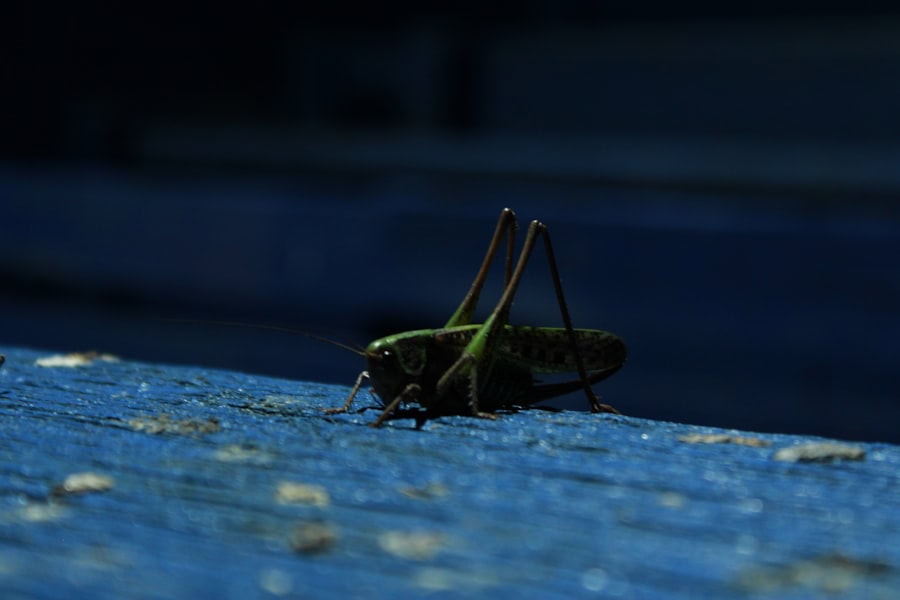
The praying mantis serves as more than just a namesake for this martial art; its movements are integral to the techniques and strategies employed by practitioners. Observing how a mantis strikes with speed and precision provides valuable insights into effective combat techniques. The mantis uses its forelegs to grasp and immobilize its prey, a concept that translates into various grappling techniques within 7 Star Praying Mantis Kung Fu.
Moreover, the mantis’s ability to change direction quickly and evade attacks is mirrored in the footwork and evasive maneuvers taught in this style. Practitioners learn to move fluidly, shifting their weight and positioning themselves in ways that mimic the insect’s agility. This connection to nature not only enhances physical skills but also fosters a deeper appreciation for the art itself. By embodying the essence of the mantis, students can develop a more instinctual understanding of combat dynamics.
The Principles of 7 Star Praying Mantis Kung Fu: Balance, Speed, and Precision
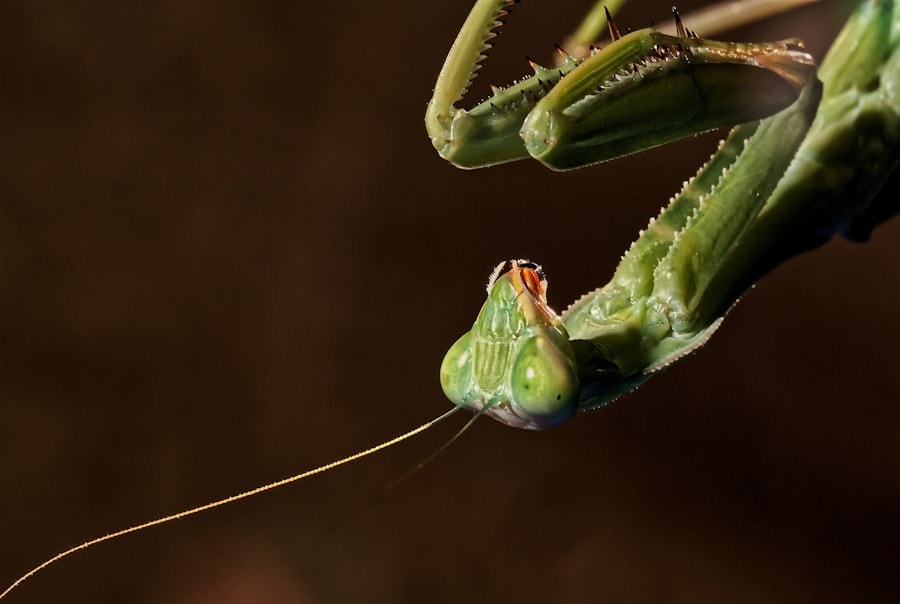
Three fundamental principles underpin 7 Star Praying Mantis Kung Fu: balance, speed, and precision. Balance is essential not only for maintaining stability during techniques but also for executing movements with grace and control. Practitioners are taught to find their center of gravity and use it to their advantage, allowing them to remain grounded while still being agile enough to respond to an opponent’s actions.
Speed is another critical element that distinguishes this martial art. The ability to strike quickly can often determine the outcome of a confrontation. In 7 Star Praying Mantis Kung Fu, students practice drills that enhance their reaction times and develop explosive power in their strikes. This emphasis on speed is complemented by precision; every movement must be executed with accuracy to ensure effectiveness. Together, these principles create a harmonious blend that allows practitioners to navigate complex combat scenarios with confidence.
In exploring the intricate relationship between principle and theory in 7 Star Praying Mantis Kung Fu, one can gain further insights by examining a related article that delves into the broader context of martial arts education. This comprehensive piece highlights the importance of structured learning and the application of techniques in practical scenarios, which can enhance one’s understanding of the art. For those interested in expanding their knowledge, the article can be found at Online Kung Fu University, offering valuable resources for both beginners and advanced practitioners alike.
The Role of Principle and Theory in Mastering 7 Star Praying Mantis Kung Fu
| Aspect | Description | Key Principle | Theoretical Application | Practical Outcome |
|---|---|---|---|---|
| Stance | Foundation of balance and power | Rootedness and stability | Maintaining low center of gravity for control | Improved defense and attack efficiency |
| Hand Techniques | Precision strikes and blocks | Speed and accuracy | Using angles and timing to exploit openings | Effective disabling of opponent’s limbs |
| Footwork | Movement and positioning | Agility and adaptability | Shifting weight and direction to control distance | Enhanced evasion and counterattack |
| Energy Flow | Internal power generation | Harmony between mind and body | Breathing techniques to channel force | Increased striking power and endurance |
| Strategy | Combat decision-making | Using opponent’s force against them | Redirecting attacks and exploiting weaknesses | Greater control over fight dynamics |
Mastering 7 Star Praying Mantis Kung Fu requires a deep understanding of both principles and theories. While physical training is essential, it is equally important for students to grasp the underlying concepts that inform their practice. This intellectual engagement fosters a more profound connection to the art, enabling practitioners to adapt their techniques based on situational demands.
As students progress in their training, they begin to see how principles like balance and speed interact with theoretical concepts such as timing and distance management. This holistic understanding allows them to develop personalized strategies that suit their unique strengths and weaknesses. In essence, mastering 7 Star Praying Mantis Kung Fu is not just about perfecting techniques; it’s about cultivating a mindset that embraces continuous learning and adaptation.
In exploring the intricate relationship between principle and theory in martial arts, the article on 7 Star Praying Mantis Kung Fu provides valuable insights into how these elements harmonize to enhance a practitioner’s skills. For those interested in real-life experiences and testimonials that highlight the effectiveness of this martial art, you can find a collection of stories and feedback from practitioners at this link. These testimonials illustrate how the principles taught in 7 Star Praying Mantis can be applied in various situations, reinforcing the importance of understanding both theory and practice in martial arts training.
Applying Mantis Principles in Combat: Using Angles and Leverage to Gain Advantage
In combat situations, applying the principles of 7 Star Praying Mantis Kung Fu can provide practitioners with a significant advantage over their opponents. One of the key strategies involves utilizing angles to create openings for attacks while minimizing exposure to counterattacks. By moving off-line or changing angles during an engagement, practitioners can evade incoming strikes while positioning themselves for effective counters.
Leverage also plays a crucial role in this martial art. Understanding how to use body mechanics effectively allows practitioners to maximize their strength while minimizing effort. For instance, when executing throws or joint locks, students learn how to manipulate an opponent’s body weight against them, making it easier to control or subdue them. This focus on angles and leverage not only enhances combat effectiveness but also reinforces the importance of strategy in martial arts practice.
The Importance of Understanding Theory in 7 Star Praying Mantis Kung Fu: Developing Strategy and Adaptability
A solid grasp of theory is vital for anyone looking to excel in 7 Star Praying Mantis Kung Fu. Understanding the underlying concepts allows practitioners to develop effective strategies tailored to their individual styles and preferences. For example, knowing when to engage or disengage based on an opponent’s movements can make all the difference in a fight.
Moreover, adaptability is a hallmark of skilled practitioners. The ability to adjust one’s approach based on real-time feedback during combat is essential for success. By internalizing theoretical concepts such as timing and distance management, students can respond fluidly to changing circumstances rather than relying on rigid techniques. This adaptability not only enhances combat performance but also fosters resilience in other areas of life.
Integrating Principle and Theory: How 7 Star Praying Mantis Kung Fu Practitioners Achieve Mastery
Achieving mastery in 7 Star Praying Mantis Kung Fu requires a seamless integration of principle and theory into practice. As students progress through their training, they learn how these elements work together harmoniously to create a comprehensive understanding of martial arts. This integration allows practitioners to move beyond rote memorization of techniques and develop a more intuitive approach to combat.
For many practitioners, this journey toward mastery is marked by continuous self-reflection and growth. By regularly revisiting foundational principles and theoretical concepts, students can refine their skills and deepen their understanding of the art. Ultimately, those who embrace this holistic approach are better equipped to navigate the complexities of martial arts while cultivating a lifelong passion for learning.
In conclusion, 7 Star Praying Mantis Kung Fu offers a rich tapestry of history, principles, and practical applications that resonate with martial arts enthusiasts at all levels. By understanding its origins, exploring its fighting theories, and integrating key principles into practice, students can embark on a rewarding journey toward mastery that extends far beyond physical techniques. Whether you are a seasoned practitioner or just beginning your martial arts journey, embracing the essence of 7 Star Praying Mantis Kung Fu can lead to profound personal growth both on and off the mat.
Join MartialSkill University Today – It’s Free
FAQs
What is 7 Star Praying Mantis Kung Fu?
7 Star Praying Mantis Kung Fu is a traditional Chinese martial art known for its intricate hand techniques, quick footwork, and strategic use of angles. It is inspired by the movements of the praying mantis insect and emphasizes both physical skill and mental discipline.
How do principle and theory interact in 7 Star Praying Mantis Kung Fu?
In 7 Star Praying Mantis Kung Fu, principle refers to the fundamental concepts such as balance, timing, and leverage, while theory involves the application of these principles in combat scenarios. Together, they guide practitioners in executing techniques effectively and adapting to different fighting situations.
What are some key principles of 7 Star Praying Mantis Kung Fu?
Key principles include maintaining a strong stance, using precise and efficient movements, controlling the opponent’s centerline, and employing deceptive tactics. These principles help practitioners maximize power and speed while minimizing energy expenditure.
Why is understanding theory important in practicing 7 Star Praying Mantis Kung Fu?
Understanding theory allows practitioners to comprehend why certain techniques work and how to apply them strategically. This knowledge enhances adaptability, enabling martial artists to respond effectively to various attacks and improve their overall combat skills.
Can 7 Star Praying Mantis Kung Fu be practiced for self-defense?
Yes, 7 Star Praying Mantis Kung Fu is effective for self-defense due to its focus on quick, precise strikes and controlling an opponent’s movements. Its principles and techniques are designed to neutralize threats efficiently, making it a practical martial art for real-world situations.
Student Testimonials

