
Praying Mantis Weapons Training: Staff, Spear, and Saber Techniques
**Title: Unleashing the Power of Praying Mantis Weapons Training**
**Meta Description:** Dive into the world of Praying Mantis kung fu weapons training. Discover the significance of traditional arms, techniques for mastering the staff, spear, and saber, and the philosophy behind this ancient martial art.
**Focus KW:** Praying Mantis Weapons Training
—
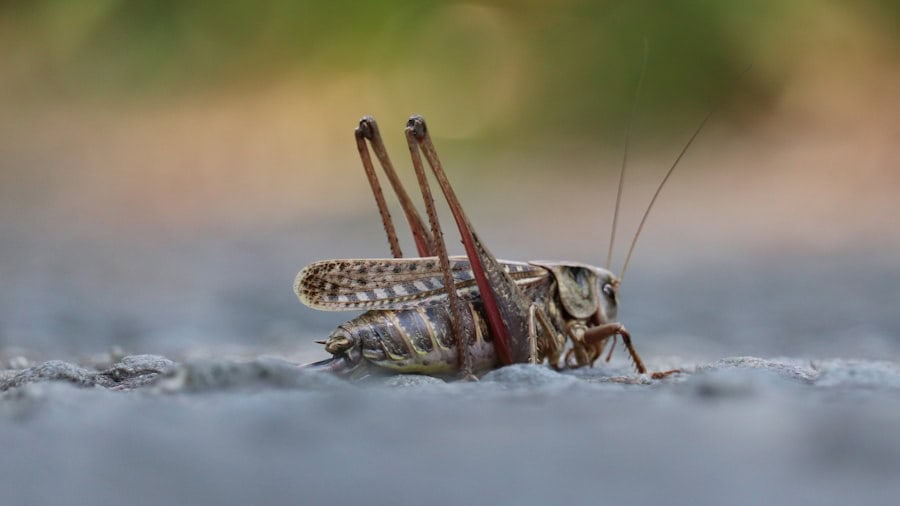
Praying Mantis kung fu is a fascinating martial art that has captivated practitioners for centuries. Originating from the observation of the praying mantis insect, this style emphasizes agility, speed, and precision. One of the most compelling aspects of Praying Mantis kung fu is its focus on weapons training. Unlike many martial arts that primarily concentrate on empty-hand techniques, Praying Mantis incorporates a variety of traditional arms, allowing students to explore a broader spectrum of combat skills. This unique approach not only enhances physical abilities but also deepens the understanding of martial arts as a whole.
The significance of traditional arms in martial arts practice cannot be overstated. Weapons serve as extensions of the body, enabling practitioners to develop coordination, timing, and distance management. In Praying Mantis kung fu, each weapon has its own set of techniques and philosophies that align with the principles of the style. By engaging with these traditional arms, students gain insights into their own capabilities while honoring the rich history and culture that surrounds martial arts. This journey into weapons training is not just about learning to fight; it’s about connecting with a lineage that spans generations.
For those interested in enhancing their martial arts skills, particularly in the context of Praying Mantis Weapons Training, a related article that delves into the fundamentals of various weapon techniques can be found at this link: Martial Skill Disclaimer. This resource provides valuable insights into the effective use of staff, spear, and saber techniques, offering practitioners a comprehensive understanding of the principles and applications involved in these traditional martial arts weapons.
The Staff: Techniques and Training
The staff, or “gun,” is one of the most fundamental weapons in Praying Mantis kung fu. Its historical significance is profound, as it has been used in various cultures for centuries as both a tool and a weapon. In the context of Praying Mantis, the staff embodies the principles of reach and leverage. With its length, a practitioner can maintain distance from an opponent while delivering powerful strikes and defensive maneuvers. The staff also allows for fluid movements that mimic the natural motions of the praying mantis itself.
Training with the staff involves mastering a variety of techniques, including strikes, thrusts, sweeps, and blocks. Students often begin with basic forms to develop their grip and stance before progressing to more complex sequences that incorporate footwork and timing. Practitioners learn to flow seamlessly between offensive and defensive actions, creating a dynamic rhythm that is essential in combat situations. The beauty of staff training lies in its adaptability; whether in a sparring match or a self-defense scenario, the skills acquired through staff practice can be applied effectively.
The Spear: Mastering Precision and Control
The spear holds a special place in Praying Mantis kung fu, revered for its ability to deliver precise strikes while maintaining control over distance. This weapon requires a unique blend of strength and finesse, making it an excellent tool for developing both physical and mental discipline. The spear’s long reach allows practitioners to engage opponents from afar while keeping them at bay, embodying the strategic nature of Praying Mantis techniques.
Mastering the spear involves rigorous training focused on precision and control. Practitioners learn to execute thrusts with pinpoint accuracy while maintaining balance and stability. Techniques often include spinning movements and quick transitions that mimic the agile nature of the praying mantis itself. As students progress, they are encouraged to incorporate footwork that enhances their ability to evade attacks while positioning themselves for counter-strikes. This combination of agility and precision is what makes spear training so captivating; it challenges practitioners to refine their skills continually.
The Saber: Swift and Agile Movements

The saber, or “dao,” is another essential weapon in Praying Mantis kung fu, known for its swift and agile movements. Unlike the staff or spear, which emphasize reach and control, the saber focuses on speed and fluidity. This weapon allows practitioners to execute rapid slashes and cuts while maintaining a close range with their opponents. The saber’s design encourages dynamic movements that reflect the quick strikes characteristic of the praying mantis style.
Training with the saber involves mastering various techniques that emphasize agility and timing. Students learn to flow between offensive strikes and defensive maneuvers seamlessly. The emphasis on footwork is crucial; practitioners must be able to move quickly in any direction while maintaining control over their weapon. As they progress, students often engage in partner drills that simulate real combat scenarios, allowing them to apply their saber techniques in a practical context. The thrill of saber training lies in its ability to cultivate both speed and precision, making it an exhilarating aspect of Praying Mantis kung fu.
In exploring the fascinating world of Praying Mantis Weapons Training, practitioners can enhance their skills through various techniques involving the staff, spear, and saber. For those interested in deepening their understanding of martial arts and its diverse training methods, a related article offers valuable insights into the principles and philosophies that underpin these practices. You can read more about these concepts in the article found here, which complements the techniques discussed in Praying Mantis training.
Combining Praying Mantis Techniques with Kung Fu Weapons
| Weapon | Training Focus | Key Techniques | Training Duration (weeks) | Skill Level Required | Primary Benefits |
|---|---|---|---|---|---|
| Staff | Striking, Blocking, Sweeping | Double-end strikes, Circular blocks, Low sweeps | 8 | Beginner to Intermediate | Improves coordination, balance, and defensive skills |
| Spear | Thrusting, Parrying, Spinning | Direct thrusts, Side parries, Spinning attacks | 10 | Intermediate | Enhances reach, precision, and agility |
| Saber | Slashing, Footwork, Counterattacks | Quick slashes, Circular footwork, Riposte counters | 12 | Intermediate to Advanced | Develops speed, timing, and offensive tactics |
One of the most exciting aspects of Praying Mantis kung fu is its versatility in integrating various techniques with different weapons. The principles learned through empty-hand training can be seamlessly applied to weapon-based combat, creating a holistic approach to martial arts practice. This adaptability allows practitioners to explore their creativity while honing their skills with traditional arms.
For instance, a practitioner may use footwork learned from empty-hand forms to enhance their movements with a staff or saber. Similarly, techniques such as strikes or blocks can be adapted for use with different weapons, allowing for a fluid transition between styles. This integration not only enriches a student’s training experience but also fosters a deeper understanding of martial arts as an interconnected discipline. By combining Praying Mantis techniques with various kung fu weapons, students can develop a unique fighting style that reflects their individual strengths.
In exploring the fascinating world of martial arts, one can find a wealth of information on various training techniques, including those used in Praying Mantis Weapons Training, which focuses on staff, spear, and saber techniques. For those interested in expanding their knowledge further, a related article offers insights into the historical context and practical applications of these methods. You can read more about it in this detailed resource that delves into the intricacies of martial skill development.
Traditional Arms in Praying Mantis Kung Fu
The historical significance of traditional arms in Praying Mantis kung fu is deeply rooted in its cultural heritage. Each weapon carries its own story and purpose, reflecting the evolution of martial arts over time. Understanding this history enriches a practitioner’s experience, providing context for their training and connecting them to generations of martial artists who have come before them.
Traditional arms are not merely tools for combat; they embody the philosophy and principles of Praying Mantis kung fu. Each weapon represents different aspects of strategy, timing, and movement that are integral to the style. By studying these traditional arms, practitioners gain insights into their own capabilities while honoring the legacy of martial arts as a whole. This connection to history fosters a sense of respect for the art form and encourages students to carry forward its teachings into modern practice.
The Philosophy of Praying Mantis Weapons Training
At its core, Praying Mantis weapons training is not just about physical prowess; it encompasses a rich philosophical framework that guides practitioners on their journey. The principles behind this training emphasize mental discipline, focus, and respect for oneself and others. As students engage with traditional arms, they are encouraged to cultivate an understanding of their own strengths and weaknesses while developing resilience in the face of challenges.
The mental discipline required for mastering traditional arms is profound. Practitioners learn to remain calm under pressure, honing their ability to think critically during combat scenarios. This mental fortitude extends beyond martial arts practice; it influences other areas of life by fostering patience, perseverance, and self-awareness. The philosophy behind Praying Mantis weapons training serves as a guiding light for students as they navigate their martial arts journey and personal growth.
The Evolution of Praying Mantis Weapons Training
As with any martial art, Praying Mantis weapons training has evolved over time to adapt to contemporary practices while preserving its rich heritage. Modern applications of traditional arms can be seen in various contexts, from self-defense courses to competitive sparring events. This evolution reflects the dynamic nature of martial arts as it responds to changing societal needs while remaining rooted in tradition.
Today’s practitioners have access to a wealth of resources that enhance their training experience. Online tutorials, workshops led by experienced instructors, and community events provide opportunities for students to deepen their understanding of traditional arms within Praying Mantis kung fu. This accessibility has allowed more individuals to engage with this ancient art form while fostering a sense of community among practitioners worldwide.
In conclusion, Praying Mantis weapons training offers an enriching journey into the world of martial arts that goes beyond mere physical combat skills. By exploring traditional arms such as the staff, spear, and saber, students gain insights into their own capabilities while connecting with a rich cultural heritage. The philosophy behind this training emphasizes mental discipline and respect for oneself and others, fostering personal growth alongside physical prowess. As this ancient art continues to evolve in modern contexts, it remains a powerful tool for self-discovery and empowerment for martial arts enthusiasts everywhere.
Join MartialSkill University Today – It’s Free
FAQs
What are the primary weapons used in Praying Mantis martial arts training?
Praying Mantis martial arts primarily focus on the use of the staff, spear, and saber. These weapons are integral to the style and are used to develop precision, speed, and fluidity in combat techniques.
How does training with the staff benefit a Praying Mantis practitioner?
Training with the staff enhances a practitioner’s coordination, strength, and control. It helps develop long-range striking skills and defensive maneuvers, which are essential for mastering the Praying Mantis fighting style.
What distinguishes spear techniques in Praying Mantis martial arts?
Spear techniques in Praying Mantis emphasize thrusting, sweeping, and hooking movements that mimic the quick and precise strikes of a praying mantis. The spear is used to maintain distance while delivering rapid attacks and controlling the opponent.
Why is the saber an important weapon in Praying Mantis training?
The saber is important because it complements the hand-to-hand techniques of Praying Mantis with slashing and cutting attacks. Saber training improves agility, timing, and the ability to execute fluid, continuous movements in combat.
Can Praying Mantis weapons training be practiced by beginners?
Yes, beginners can start learning Praying Mantis weapons training under proper guidance. Training usually begins with basic stances and movements before progressing to more advanced techniques with the staff, spear, and saber.
Student Testimonials

